
Getting™ Started | Ledger® Live: Desktop® — official
Ledger Live Desktop provides useful features for Ledger device owners, including account management, portfolio tracking, application installation, device maintenance, transaction review, and secure confirmation through desktop computers.
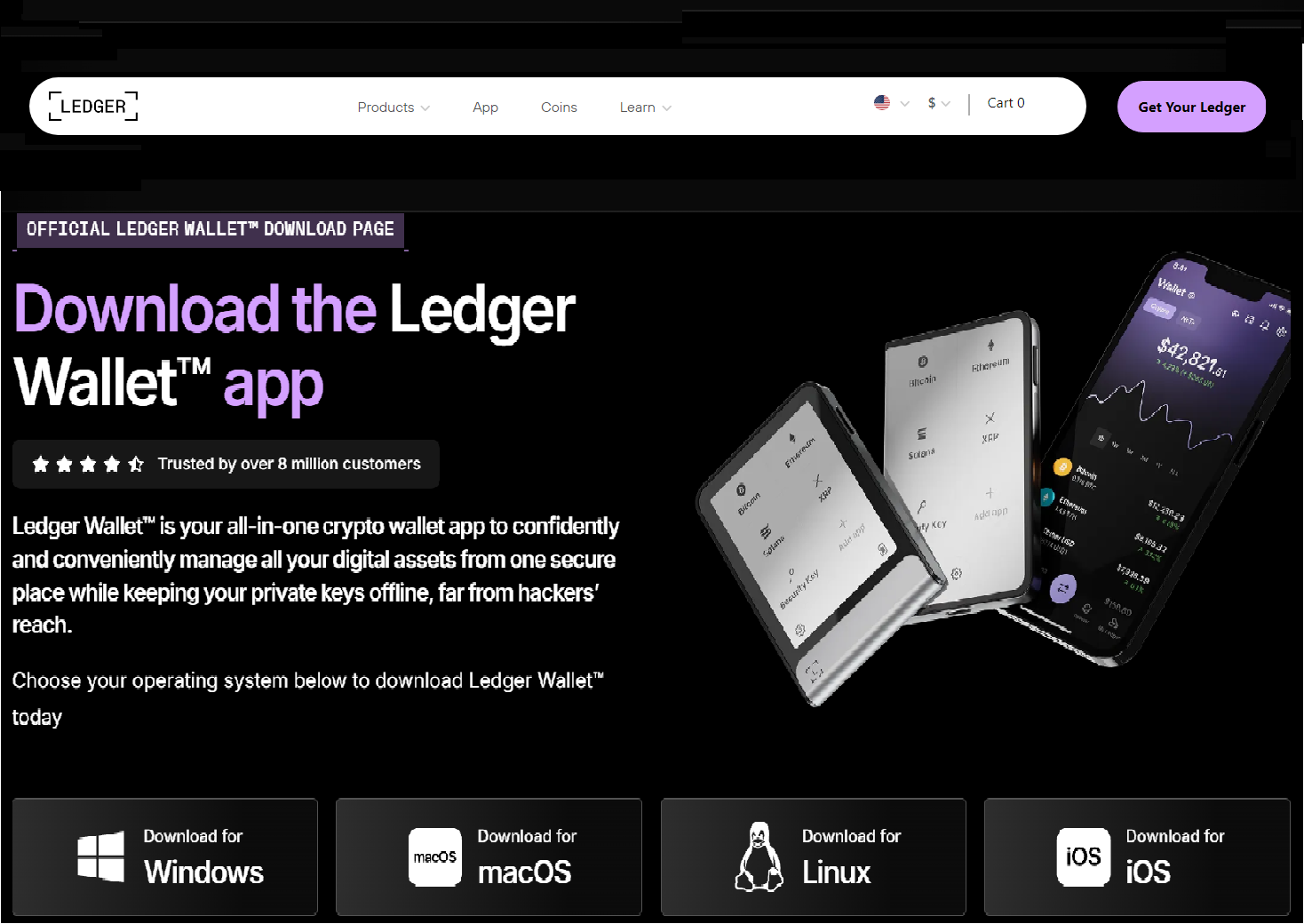
Ledger Live Desktop: Complete Guide for Secure Crypto Management
Cryptocurrency management becomes easier when your accounts, transactions, and wallet tools can be accessed from one organized interface. Ledger Live Desktop is built for users who want to connect a Ledger hardware wallet to a computer and manage supported digital assets through dedicated desktop software.
For someone new to hardware wallets, terms such as blockchain applications, private keys, accounts, recovery phrases, and transaction confirmations can sound complicated. Understanding how Ledger Live Desktop fits into the overall wallet setup makes the process much easier. The desktop application provides the management interface, while the Ledger hardware wallet is used for important security functions.
What Is Ledger Live Desktop?
Ledger Live Desktop is desktop software designed to work with compatible Ledger hardware wallets. It gives users an interface for viewing accounts, checking portfolio information, managing supported assets, and interacting with blockchain networks.
The application can also provide tools for managing applications installed on a Ledger device and handling various wallet-related activities. Features and supported assets can change over time, so users should always rely on the current official Ledger software for the latest options.
A hardware wallet and desktop application serve different purposes. The computer provides the interface, while the physical device helps keep private keys protected and requires users to authorize important operations.
Getting Started With Ledger Live Desktop
Before using the desktop application, prepare your Ledger hardware wallet and a compatible computer. Make sure you have a reliable connection and enough time to complete the setup without interruptions.
Download Ledger's current desktop software only through an official Ledger source. Avoid downloading wallet applications from random websites, file-sharing pages, advertisements, or links sent by unknown people.
After installing the application, open it and follow the setup instructions. Connect your Ledger device using the supported connection method and complete any verification or initialization steps displayed by the software.
The instructions can differ depending on your Ledger model, so follow the prompts associated with your specific device.
Setting Up a Ledger Hardware Wallet
If you are configuring a new Ledger device, the setup process normally includes creating a device PIN and generating a Secret Recovery Phrase.
The PIN provides local protection for the physical wallet. Select a PIN that is difficult for others to guess and keep it private.
The Secret Recovery Phrase is even more important. It acts as a backup for the wallet and must be protected from unauthorized access. Carefully write down the words provided by the device in their correct order.
Never share your recovery phrase with another person. Do not enter it into websites, emails, social media messages, or unofficial applications. Avoid storing it as a photograph or ordinary digital document.
Your recovery information should remain offline and in a secure location.
Managing Accounts on Your Desktop
After the wallet has been initialized, Ledger Live Desktop can help you organize supported cryptocurrency accounts.
Depending on the assets you use, you may need to install the relevant blockchain application on your Ledger device before adding an account. The desktop software can guide you through available account-management steps.
Having multiple accounts in one application can make portfolio management more convenient. You can review balances, examine transaction history, and keep track of activity without switching between unrelated wallet interfaces.
However, remember that cryptocurrency prices can change rapidly. The value displayed for an asset is not necessarily fixed and may fluctuate with market conditions.
Sending Crypto With Ledger Live Desktop
Sending cryptocurrency requires careful attention because blockchain transactions are generally difficult or impossible to reverse once confirmed.
When preparing a transaction, check the recipient address, network, amount, and applicable fees. Most importantly, review the transaction information directly on your Ledger hardware wallet before approving it.
The physical device provides an important opportunity to verify what you are authorizing. If the information shown on the device does not match your intended transaction, stop before confirming anything.
Taking a few additional moments to verify the details can help prevent costly mistakes.
Receiving Cryptocurrency Safely
Receiving crypto through Ledger Live Desktop can be straightforward, but addresses should still be handled carefully.
When generating or copying a receiving address, make sure you are using the correct account and network. If someone sends cryptocurrency to the wrong address or incompatible network, recovering the funds may be difficult or impossible.
For larger transfers, consider verifying the address carefully before providing it to the sender. A small test transaction can also be useful when appropriate for the network and circumstances.
Keeping Ledger Live Desktop Secure
Security does not end after the initial installation. Keep your computer protected, use legitimate wallet software, and remain alert to suspicious messages.
Phishing attacks can imitate cryptocurrency companies through fake websites, emails, advertisements, and customer-support accounts. A scammer may claim that your wallet requires verification or urgent recovery.
Never reveal your PIN or Secret Recovery Phrase to someone contacting you unexpectedly.
You should also be cautious about links that request sensitive information. When in doubt, close the page and access the official Ledger website directly.
Updates and Device Maintenance
Keeping wallet software and the Ledger device maintained can help ensure access to current features and security improvements. Before performing an update, read the instructions provided by the official software carefully.
Do not interrupt an update unnecessarily, and avoid using unofficial firmware or applications.
If you encounter an unfamiliar warning or setup message, verify the information through Ledger's legitimate support resources rather than trusting a message from an unknown account.
Final Thoughts
Ledger Live Desktop provides a convenient desktop environment for people who use Ledger hardware wallets to manage supported cryptocurrency accounts. It combines portfolio visibility and account-management tools with the security role of a physical hardware wallet.
The most important part of using the software is developing good security habits. Download applications from legitimate sources, keep your PIN private, protect your Secret Recovery Phrase offline, and carefully verify transactions on your Ledger device.
When these practices become part of your normal routine, Ledger Live Desktop can provide a practical and organized way to manage your cryptocurrency from a computer.
Updated about 3 hours ago